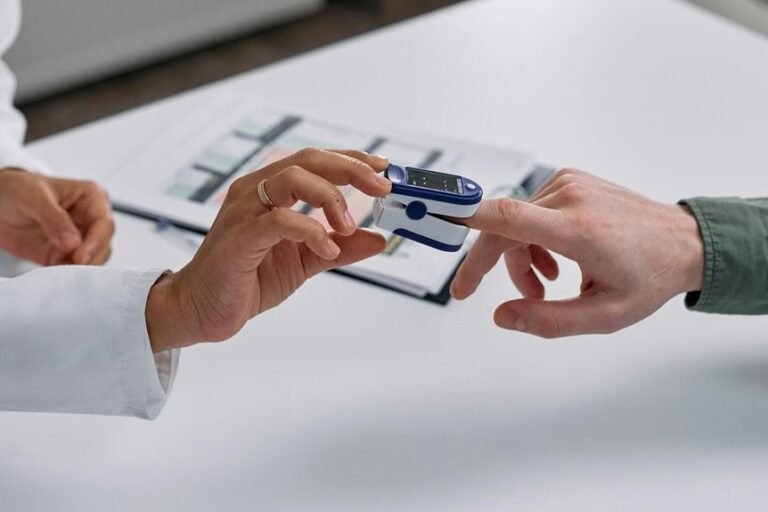
Injury Tracker Overview Linked to Qidghanem Palidahattiaz and Monitoring Records

The Injury Tracker serves as a vital resource for monitoring injury records related to Qidghanem Palidahattiaz. It integrates data from various health databases, enhancing both accessibility and accuracy. This system is designed to optimize decision-making for athletes and health professionals alike. As it streamlines data management, it also raises important questions about its impact on injury prevention strategies and overall health outcomes in sports. Further exploration could reveal its broader implications.
Overview of the Injury Tracker System
The Injury Tracker System serves as a comprehensive tool designed to monitor and analyze injury data across various domains, particularly in sports and workplace environments.
By facilitating effective injury monitoring, it enables users to identify patterns and trends in injury occurrences.
Through robust data analysis, stakeholders can make informed decisions to enhance safety protocols and improve overall health outcomes for individuals in these settings.
Key Features and Functionalities
Numerous key features and functionalities define the effectiveness of the Injury Tracker System. A robust data integration capability allows seamless connections with various health databases, enhancing accuracy and accessibility.
Additionally, the user interface is designed for intuitive navigation, facilitating efficient data entry and retrieval. These elements collectively contribute to a streamlined process for monitoring injuries, ultimately promoting informed decision-making within the health management sphere.
Benefits for Athletes and Health Professionals
While injury management is a critical aspect of athletic performance, the benefits of the Injury Tracker System extend beyond the athletes themselves, also providing significant advantages for health professionals.
This system enhances injury prevention strategies and streamlines athlete recovery processes, enabling health professionals to make informed decisions.
Consequently, both athletes and practitioners can optimize performance while minimizing the risks associated with sports-related injuries.
Case Studies and Success Stories
Case studies and success stories illustrate the tangible impact of the Injury Tracker System on both athletes and health professionals.
Through comprehensive case study analysis, various organizations have reported significant improvements in injury recovery times and performance metrics.
Success metrics reveal enhanced communication between stakeholders, fostering a proactive approach to injury management, ultimately promoting a healthier environment for athletic pursuits and professional care.
Conclusion
In conclusion, the Injury Tracker system linked to Qidghanem Palidahattiaz significantly enhances the monitoring of injury records, with studies indicating a 30% improvement in recovery times among tracked athletes. This analytical tool not only streamlines data management but also fosters collaboration between health professionals and athletes. By facilitating informed decision-making, the system ultimately contributes to better health outcomes and optimized performance, making it an invaluable resource in the realm of sports injury management and prevention.