
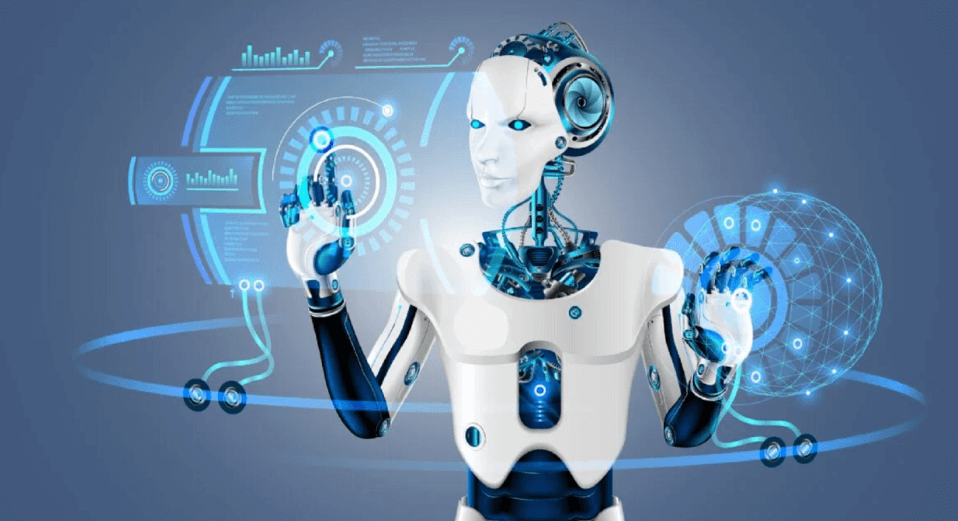
The Impact of AI on the Future of Creativity

The integration of AI into creative fields is reshaping how art is conceived and produced. This technology enhances traditional processes, enabling collaboration between human intuition and machine efficiency. As artists embrace these tools, questions arise regarding authorship and the authenticity of AI-generated works. This evolution prompts a reevaluation of creative roles and responsibilities. What implications does this shift hold for the future of artistic expression and the professionals within these industries?
The Role of AI in Enhancing Creative Processes
As the landscape of creativity evolves, the integration of artificial intelligence (AI) has emerged as a transformative force that enhances creative processes across various disciplines.
AI tools facilitate creative synergy by analyzing diverse inspiration sources, enabling artists and designers to explore new horizons. This collaboration fosters design innovation, allowing creators to push boundaries, refine concepts, and ultimately redefine the nature of human creativity.
Collaborative Creativity: Humans and Machines Working Together
The collaborative potential between humans and machines has redefined the creative landscape, fostering a synergy that amplifies the strengths of both entities.
This human-machine synergy enables creative augmentation, allowing artists and innovators to explore new dimensions in their work. As machines assist in generating ideas and refining concepts, the partnership cultivates an environment where creativity flourishes, empowering individuals to transcend traditional boundaries.
See also: The Impact of AI on Digital Marketing
Ethical Considerations in AI-Generated Art
How do ethical considerations shape the landscape of AI-generated art?
Central to this discourse are authorship rights and the aesthetic value attributed to AI creations. As machines generate artworks, questions arise regarding who owns the output and how it impacts traditional art forms.
Balancing innovation with ethical standards is crucial, ensuring that creativity remains a domain of human expression while embracing technological advancement.
The Future Landscape of Creative Professions and AI
While the integration of AI into creative professions presents both challenges and opportunities, it is reshaping the landscape in profound ways.
The creative job market is evolving, demanding new competencies that blend traditional artistry with AI skill integration. As automation enhances productivity, professionals must adapt, fostering innovation and collaboration.
This shift invites a reimagining of creativity, emphasizing human intuition alongside technological advancement.
Conclusion
In conclusion, the integration of AI into creative processes is akin to a painter discovering a new palette; it expands the spectrum of possibilities while transforming traditional practices. As humans and machines converge in artistic endeavors, the boundaries of creativity are redefined, prompting a reevaluation of authorship and ownership. Ultimately, the future of creative professions will hinge on the ability to harmonize human intuition with technological advancements, fostering an innovative landscape rich with potential.


