
The Impact of Big Data on the Marketing Industry

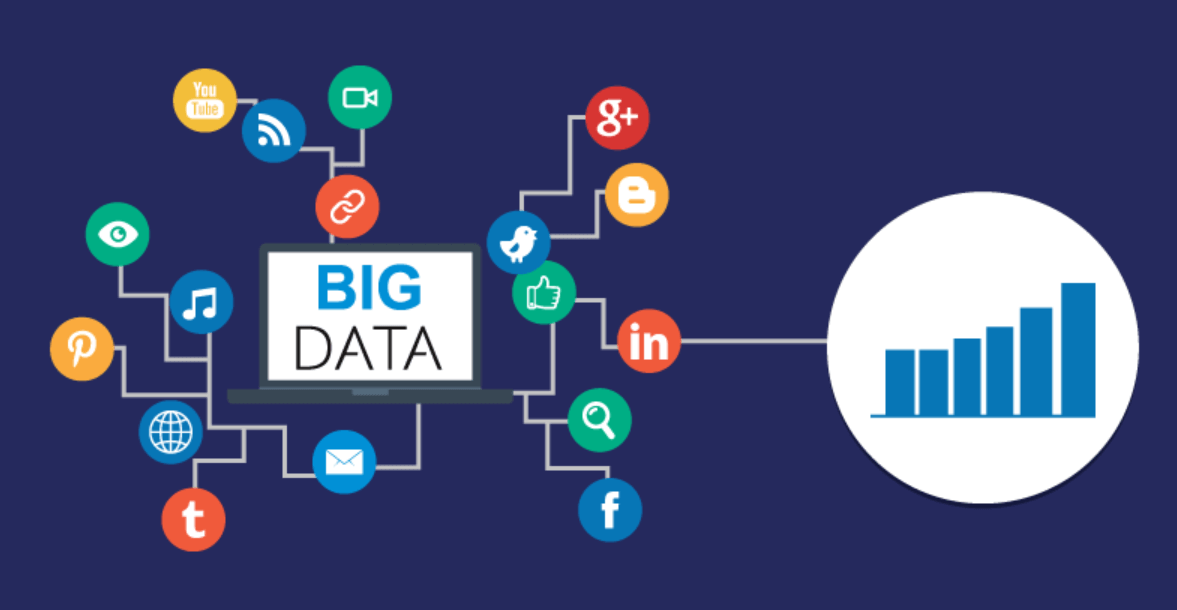
The emergence of big data has significantly transformed the marketing landscape. Organizations now possess access to extensive consumer information, allowing for sophisticated audience segmentation and tailored messaging. This shift enables enhanced analytics that provide valuable insights into consumer behavior, paving the way for predictive marketing strategies. However, the integration of big data also introduces various challenges that demand careful consideration. Understanding these complexities is crucial for navigating the future of marketing effectively.
Understanding Big Data and Its Relevance in Marketing
As organizations increasingly recognize the potential of big data, its relevance in marketing becomes more pronounced.
Data collection techniques enable marketers to gather vast amounts of information, facilitating effective audience segmentation. By understanding demographic and behavioral patterns, businesses can target specific consumer groups with tailored messaging.
This strategic approach enhances marketing efficiency, allowing organizations to optimize resources and achieve greater engagement with their intended audiences.
Enhanced Consumer Insights Through Data Analytics
While traditional marketing relies heavily on intuition and general consumer trends, enhanced data analytics provides a more precise understanding of consumer behavior.
By utilizing data visualization techniques, marketers can identify patterns and preferences, leading to more targeted strategies.
This analytical approach enables businesses to engage effectively with consumers, fostering deeper connections and ultimately enhancing brand loyalty in an increasingly competitive landscape.
See also: The Impact of Augmented Reality on Retail Shopping
Predictive Marketing: Anticipating Customer Needs
Predictive marketing leverages advanced analytics and machine learning to foresee customer needs and behaviors, enhancing the strategic approach initiated by enhanced consumer insights.
By analyzing data trends and patterns in customer behavior, marketers can tailor their strategies to meet anticipated demands.
This proactive approach not only increases customer satisfaction but also optimizes resource allocation, ultimately driving growth and fostering brand loyalty in an increasingly competitive landscape.
Challenges and Ethical Considerations in Data Utilization
What obstacles must marketers navigate to ethically harness the power of big data?
Marketers face challenges such as ensuring data privacy, implementing effective consent management, and addressing ethical sourcing practices.
Additionally, they must prioritize bias mitigation to prevent discriminatory outcomes.
These considerations are crucial for maintaining consumer trust while leveraging data for strategic decision-making in an increasingly data-driven marketing landscape.
Conclusion
In conclusion, the integration of big data into the marketing industry serves as a double-edged sword, offering both unprecedented opportunities for insight and formidable challenges in ethical practices. As companies harness the power of analytics to refine their strategies, they must navigate the delicate balance between personalization and privacy. Ultimately, the successful marketing landscape of the future will depend on organizations’ ability to foster consumer trust while leveraging data to illuminate the path to customer engagement.


