
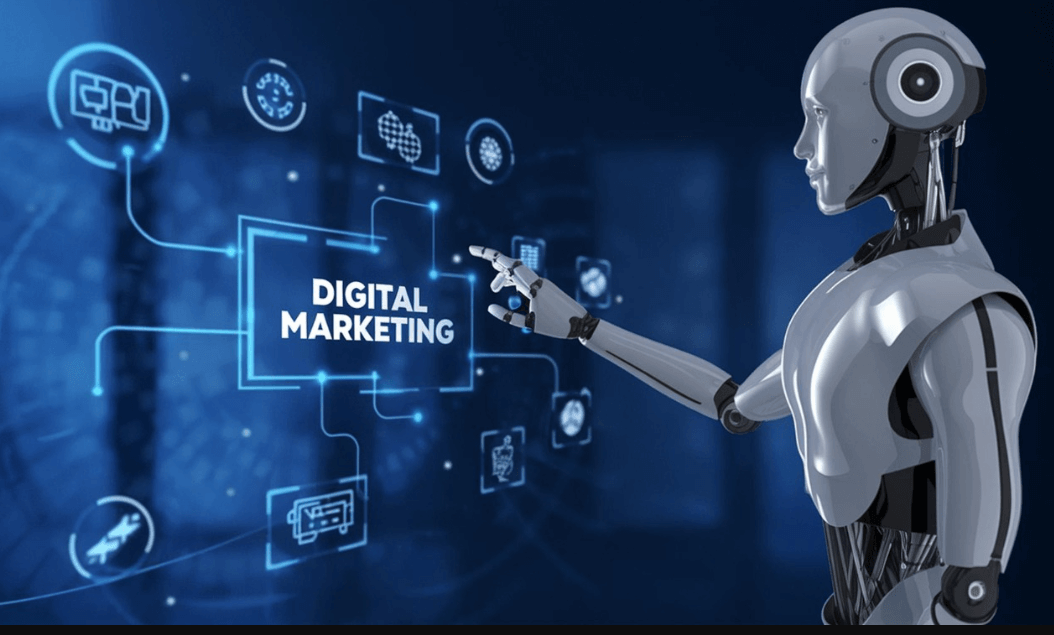
The Impact of AI on Digital Marketing

The integration of AI into digital marketing marks a significant shift in consumer engagement strategies. By harnessing data-driven insights, brands can create tailored experiences that align closely with individual consumer preferences. Automation further enhances efficiency, allowing marketers to concentrate on strategic development. However, the rise of AI also brings forth critical ethical dilemmas, such as data privacy concerns and algorithmic bias. These challenges prompt a necessary examination of trust and transparency in the evolving marketing landscape.
Transforming Customer Experience Through Personalization
Artificial intelligence is revolutionizing digital marketing by enhancing customer experience through sophisticated personalization strategies.
Modern marketers use QR code integration alongside AI analytics to personalize campaigns and drive higher engagement rates.
By leveraging customer segmentation and predictive modeling, businesses can tailor their offerings to individual preferences and behaviors. This data-driven approach not only fosters deeper connections with consumers but also empowers them, providing a sense of freedom in their interactions.
Ultimately, AI transforms marketing into a more relevant and engaging dialogue.
Enhancing Marketing Efficiency With Automation
As marketing landscapes evolve, the integration of automation tools has emerged as a pivotal strategy for enhancing operational efficiency.
Automated campaigns streamline repetitive tasks, allowing marketers to allocate resources toward creative strategies.
By employing intelligent segmentation, businesses can tailor content to specific demographics, improving engagement and conversion rates.
This synergy fosters a dynamic environment where marketing efforts are optimized for scalability and effectiveness.
Data-Driven Insights: The Role of AI in Analytics
The rise of automation in marketing has paved the way for a more sophisticated approach to data analysis, fundamentally transforming how businesses extract insights from consumer behavior.
AI-driven predictive analytics enhances customer segmentation, enabling companies to tailor their strategies with precision.
Challenges and Ethical Considerations in AI Marketing
While the benefits of AI in marketing are significant, various challenges and ethical considerations must be addressed to ensure responsible implementation.
Key issues include bias detection in algorithms, which can skew results, and privacy concerns surrounding data usage.
Additionally, establishing accountability frameworks and addressing transparency issues are crucial for fostering trust.
Without these measures, AI-driven marketing risks undermining consumer autonomy and ethical standards.
Conclusion
In a world where data dances with creativity, AI stands as a pivotal force in digital marketing, reshaping customer experiences and streamlining operations. As brands harness the power of personalization and automation, they must navigate the delicate balance of innovation and ethics. Ultimately, the successful integration of AI hinges not just on technology, but on fostering trust and transparency. In this evolving landscape, the harmony between human insight and machine intelligence will define the future of marketing endeavors.


